The UK’s Education and Health Aid Spending Faces Major Cuts
Britain’s aid spending on education and health in countries around the world is set to drop significantly by 2027, with potential cuts of up to 72 per cent. This revelation comes from an analysis of the Foreign Commonwealth and Development Office (FCDO) annual report, which shows a substantial reduction in funding for these critical areas.
The FCDO has merged three separate budget lines—covering education, health, gender and equality, and development—into a single “Human Development” directorate. This reorganisation has made it more challenging to track individual programme area cuts, as some funding now comes from other parts of the aid budget.
According to the latest report, combined funding lines have been cut by 72 per cent between 2024–25 and 2026–27, decreasing from £1.54bn to £433m. While spending is expected to recover partially to £1.24bn by 2028–29, this is still 20 per cent below 2024–25 levels when accounting for inflation.
Bambos Charalambous, Labour MP and chair of the All-Party Parliamentary Group on Global Education, expressed concern over the cuts, stating that they could have a devastating impact on children in some of the poorest regions. He emphasized the importance of transparency from ministers regarding these changes.
Impact on Global Education Initiatives
Foreign Secretary Yvette Cooper’s written statement to parliament highlighted the UK’s aid cuts, with the official development assistance (ODA) budget falling from 0.5 per cent to 0.3 per cent of Gross National Income (GNI) by 2028. This reduction aims to boost defence spending, but it has raised concerns about the future of global education initiatives.
Education Cannot Wait, a multilateral fund, was named as a protected commitment, but bilateral education spending was not mentioned. Bilateral education spending directly supports teachers, classrooms, and curriculum development in some of the world’s poorest nations.
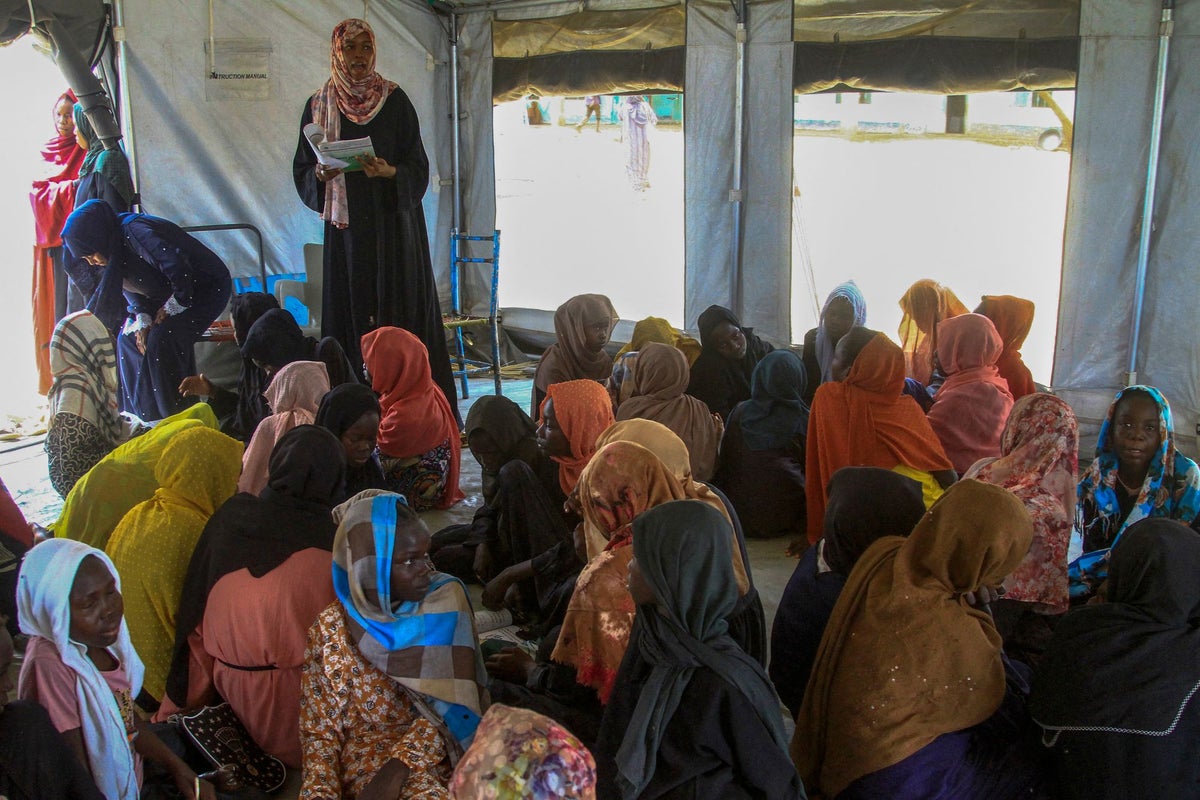
South Sudan serves as a stark example of the challenges faced. It has the highest rate of out-of-school children, with around two-thirds of school-age children—approximately 2.8 million—lacking access to education. This situation has worsened since the country experienced civil war in early 2025, leading to more than 1.6 million refugees crossing the border.
The UK’s Girls’ Education South Sudan programme, which cost nearly £67m and supported 1.5 million girls since 2018, ended in March this year. It transitioned to a successor programme called Education for All South Sudan (EFASS), but the tender for this programme has since been cancelled amid a broader review of FCDO budgets.
South Sudan’s Minister of General Education, Kuyok Abol Kuyok, stated that the UK embassy indicated the project was not being cancelled, just the tender. However, he expressed concerns about the future of the initiative, noting that it was one of the best projects Britain had invested in.
Concerns Over Funding Reductions
The International Development Committee wrote to Jenny Chapman, minister of state for international development and Africa, after learning of a potential 90 per cent reduction in the FCDO’s contribution to the programme. Labour MP Sarah Champion warned that such a reduction could lead to significant regression in progress and described it as a “shortsighted own-goal.”
In her response, Baroness Chapman did not dispute the 90 per cent figure but pointed to the EFASS transition and promised that country-by-country allocations would be made public in the FCDO’s annual report. She reiterated that education, health, and humanitarian response would remain priorities in South Sudan.
Chanju Mwanza, senior education advocacy adviser at Save the Children UK, highlighted the disproportionate cuts to UK education funding, which could severely impact children who need it most. She emphasized that education is a top priority for children even in crisis situations.
An FCDO spokesperson reaffirmed the UK’s commitment to international development, stating that their focus remains on ensuring UK ODA is impactful and targeted towards those in greatest need. They also highlighted their investment in education for vulnerable groups, including girls, children with disabilities, and those affected by conflict.